If You Feel Different, You Drive Different. Drive High, Get a DUI: August 14 – September 7, 2026
July 21, 2026
Drive Sober or Get Pulled Over: August 19 – September 7, 2026
August 18, 2026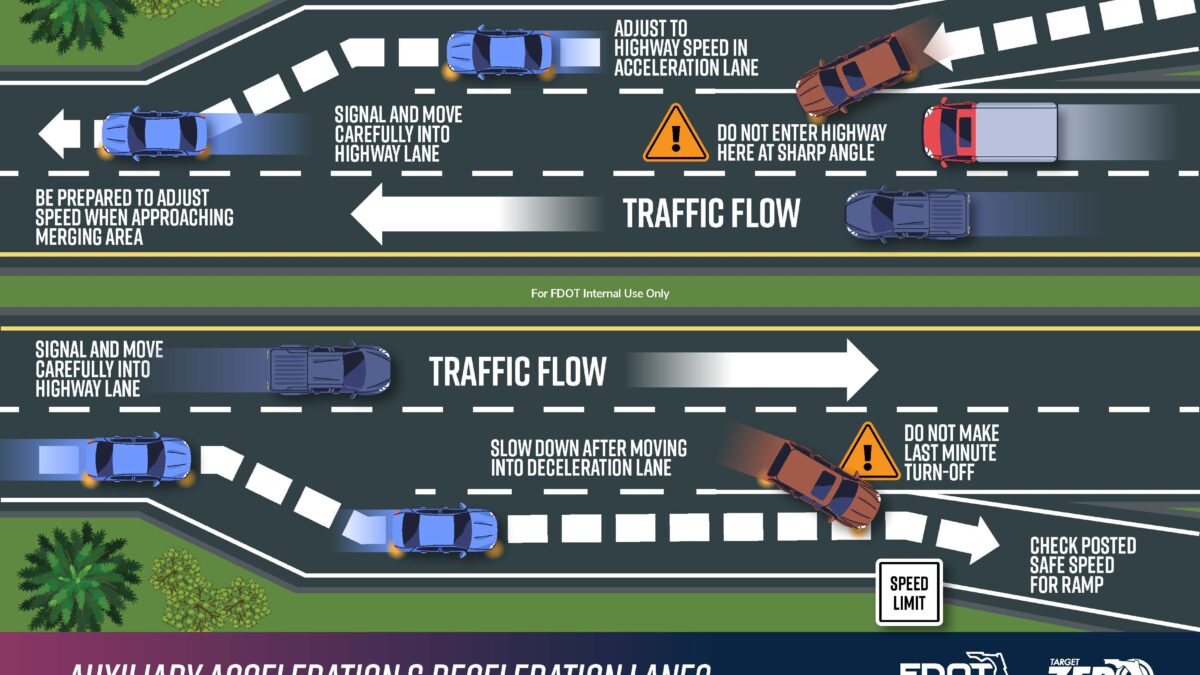
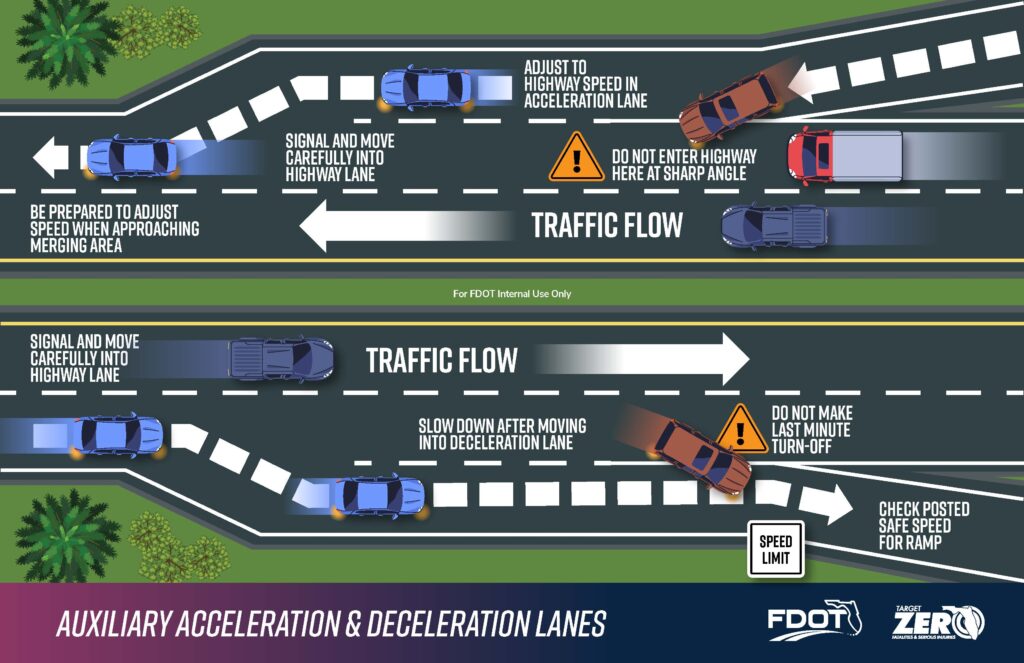
Safe merging and proper lane changes are critical driving skills that help keep traffic flowing smoothly and safely. Making predictable movements and communicating your intentions while entering and exiting highways, navigating roadway disruptions, and changing lanes in traffic gives everyone more time to react safely. In a National Highway Traffic Safety Administration (NHTSA) study of everyday driving, about 85% of drivers signaled before a planned lane change but only 24% signaled before unplanned lane changes, a reminder that signaling matters most in the very moments we are most likely to skip it.
Reducing crashes related to unsafe lane changes and merging behaviors is an important part of advancing Target Zero. While these maneuvers are part of everyday driving, they require attention, patience, and clear communication. The good news is that small actions can make a big difference in preventing crashes and keeping everyone safe.
Raising Internal Awareness: No matter what office you officially call “home,” we all can play a role in supporting safety
- Review Florida Statute 316.085 with colleagues and peers to better understand our state’s requirements for safely passing and overtaking other vehicles.
- Explore the Auxiliary Lanes Toolkit to see how continuous auxiliary lanes, like those added through the I-4 Beyond the Ultimate program, expand capacity, reduce congestion, and improve safety.
- Take a few minutes at your next team meeting to talk through safe merging and lane-change habits, and share this week’s attached and linked resources with your office.
In the Community: Grass-roots outreach efforts greatly improve safety messaging effectiveness, and these one-on-one conversations have far-reaching impacts
- Test your knowledge with friends and neighbors using the Central Florida Expressway Authority’s Merge Master Game, and e-merge with a better understanding of safe lane changes.
- Share this Zipper Merge Demonstration video with the drivers in your life for a clear, visual explanation of when and how zipper merging works.
- Share this commercial motor vehicle blind spot diagram, Stay out of No Zones, reminding others to use extra caution when passing or changing lanes near large trucks and buses.
In Your Everyday Life: Even when you’re not “on-the-clock,” there are ways to improve safety culture in Florida
- Work zones often require lane closures. Keep up to date on FDOT projects and potential roadway disruptions across the state via the Interactive Project Map or regional lists of Major Projects on Florida’s Highways.
- Make every lane change predictable: signal early, check your mirrors and blind spots, and move over only when there is a safe gap. Cancel your signal once the change is complete.
- Be patient and courteous. Leaving room for others to merge and taking turns at merge points supports a safe, steady flow and prevents last-minute, high-risk maneuvers.
Supporting safe merging and lane changes is an important part of Target Zero’s mission to eliminate traffic fatalities and serious injuries. While roadway design and enforcement play important roles, every driver can contribute to a safer Florida by staying alert, signaling their intentions, checking blind spots, and making predictable driving decisions.
Thanks for all you do to support FDOT in achieving Target Zero! Savannah & the Target Zero Team